
Granīts ir magmatiska ieža veids, ko iegūst tā ārkārtējās izturības, blīvuma, ilgmūžības un izturības pret koroziju dēļ. Taču granīts ir arī ļoti daudzpusīgs – tas nav paredzēts tikai kvadrātiem un taisnstūriem! Patiesībā mēs regulāri strādājam ar granīta komponentiem, kas tiek konstruēti dažādās formās, leņķos un līknēs, sasniedzot izcilus rezultātus.
Pateicoties mūsu modernajai apstrādei, grieztās virsmas var būt ārkārtīgi līdzenas. Šīs īpašības padara granītu par ideālu materiālu, lai izgatavotu pielāgota izmēra un dizaina mašīnu pamatnes un metroloģijas komponentus. Granīts ir:
■ apstrādājams
■ precīzi plakana pēc griešanas un apdares
■ izturīgs pret rūsu
■ izturīgs
■ ilgstoša iedarbība
Granīta detaļas ir arī viegli tīrāmas. Veidojot individuālus dizainus, noteikti izvēlieties granītu tā izcilo priekšrocību dēļ.
STANDARTI / AUGSTAS NOLIETOŠANAS SLĀPES LIETOJUMI
ZHHIMG standarta virsmas plākšņu izstrādājumiem izmantotajam granītam ir augsts kvarca saturs, kas nodrošina lielāku izturību pret nodilumu un bojājumiem. Mūsu Superior Black krāsām ir zema ūdens absorbcijas spēja, samazinot precīzijas mērinstrumentu rūsēšanas iespējamību, tos uzklājot uz plāksnēm. ZHHIMG piedāvātās granīta krāsas rada mazāku atspīdumu, kas nozīmē mazāku acu nogurumu personām, kuras lieto plāksnes. Mēs esam izvēlējušies granīta veidus, ņemot vērā termisko izplešanos, cenšoties šo aspektu saglabāt minimālu.
PIELĀGOTAS PIETEIKUMU IZSTRĀDĀŠANAS
Ja jūsu pielietojumam ir nepieciešama plāksne ar pielāgotām formām, vītņotiem ieliktņiem, rievām vai citiem apstrādes veidiem, jums jāizvēlas tāds materiāls kā Black Jinan Black. Šis dabīgais materiāls piedāvā izcilu stingrību, lielisku vibrācijas slāpēšanu un uzlabotu apstrādājamību.
Ir svarīgi atzīmēt, ka krāsa vien neliecina par akmens fizikālajām īpašībām. Kopumā granīta krāsa ir tieši saistīta ar minerālu klātbūtni vai neesamību, kam var nebūt nekādas ietekmes uz īpašībām, kas veido labu virsmas plātņu materiālu. Ir rozā, pelēks un melns granīts, kas ir lieliski piemērots virsmas plātnēm, kā arī melns, pelēks un rozā granīts, kas ir pilnīgi nepiemērots precīziem pielietojumiem. Granīta kritiskajām īpašībām, kas attiecas uz tā izmantošanu kā virsmas plātņu materiālu, nav nekāda sakara ar krāsu, un tās ir šādas:
■ Stingrība (novirze slodzes ietekmē — norāda elastības modulis)
■ Cietība
■ Blīvums
■ Nodilumizturība
■ Stabilitāte
■ Porainība
Esam pārbaudījuši daudzus granīta materiālus un salīdzinājuši tos. Visbeidzot, mēs iegūstam rezultātu: Dzjinaņas melnais granīts ir labākais materiāls, ko jebkad esam zinājuši. Indijas melnais granīts un Dienvidāfrikas granīts ir līdzīgi Dzjinaņas melnajam granītam, taču to fizikālās īpašības ir sliktākas nekā Dzjinaņas melnajam granītam. ZHHIMG turpinās meklēt pasaulē vairāk granīta materiālu un salīdzināt to fizikālās īpašības.
Lai uzzinātu vairāk par jūsu projektam piemērotāko granītu, lūdzu, sazinieties ar mums.info@zhhimg.com.
Dažādi ražotāji izmanto dažādus standartus. Pasaulē ir daudz standartu.
DIN standarts, ASME B89.3.7-2013 vai federālā specifikācija GGG-P-463c (granīta virsmas plāksnes) un tā tālāk kā pamats to specifikācijām.
Un mēs varam izgatavot granīta precīzas pārbaudes plāksni atbilstoši jūsu prasībām. Laipni lūdzam sazināties ar mums, ja vēlaties uzzināt vairāk informācijas par citiem standartiem.
Līdzenumu var uzskatīt par visiem virsmas punktiem, kas atrodas divās paralēlās plaknēs — pamatplaknē un jumta plaknē. Attāluma mērījums starp plaknēm ir virsmas kopējais līdzenums. Šim līdzenuma mērījumam parasti ir pielaide un var būt ietverts pakāpes apzīmējums.
Piemēram, trīs standarta klašu plakanuma pielaides ir definētas federālajā specifikācijā, izmantojot šādu formulu:
■ Laboratorijas pakāpes AA = (40 + diagonāle kvadrātā/25) x 0,000001" (vienpusējs)
■ Pārbaudes pakāpe A = laboratorijas pakāpe AA x 2
■ Instrumentu telpas B klase = laboratorijas klase AA x 4.
Standarta izmēra virsmas plāksnēm mēs garantējam līdzenuma pielaides, kas pārsniedz šīs specifikācijas prasības. Papildus līdzenumam ASME B89.3.7-2013 un federālā specifikācija GGG-P-463c aplūko tādus tematus kā: atkārtotu mērījumu precizitāte, virsmas plākšņu granītu materiālu īpašības, virsmas apdare, atbalsta punktu atrašanās vieta, stingrība, pieņemamas pārbaudes metodes, vītņotu ieliktņu uzstādīšana utt.
ZHHIMG granīta virsmas plāksnes un granīta pārbaudes plāksnes atbilst vai pārsniedz visas šajā specifikācijā noteiktās prasības. Pašlaik nav noteiktas specifikācijas granīta leņķa plāksnēm, paralēlēm vai galvenajiem kvadrātiem.
Un citu standartu formulas varat atrast šeit.LEJUPIELĀDĒT.
Pirmkārt, ir svarīgi uzturēt plāksni tīru. Gaisā esošie abrazīvie putekļi parasti ir lielākais plāksnes nodiluma avots, jo tie mēdz iestrādāties sagatavēs un mērinstrumentu saskares virsmās. Otrkārt, pārklājiet plāksni, lai pasargātu to no putekļiem un bojājumiem. Nodiluma laiku var pagarināt, pārklājot plāksni, kad tā netiek lietota, periodiski pagriežot plāksni, lai viena zona netiktu pārmērīgi noslogota, un nomainot tērauda saskares paliktņus mērinstrumentos ar karbīda paliktņiem. Tāpat izvairieties likt uz plāksnes ēdienu vai bezalkoholiskos dzērienus. Ņemiet vērā, ka daudzi bezalkoholiskie dzērieni satur vai nu ogļskābi, vai fosforskābi, kas var izšķīdināt mīkstākos minerālus un atstāt nelielus iedobumus virsmā.
Tas ir atkarīgs no tā, kā šķīvis tiek izmantots. Ja iespējams, iesakām šķīvi notīrīt dienas (vai darba maiņas) sākumā un vēlreiz tās beigās. Ja šķīvis kļūst netīrs, īpaši ar eļļainiem vai lipīgiem šķidrumiem, tas, iespējams, ir jātīra nekavējoties.
Regulāri tīriet plāksni ar šķidru vai ZHHIMG bezūdens virsmas plākšņu tīrīšanas līdzekli. Tīrīšanas līdzekļu izvēle ir svarīga. Ja tiek izmantots gaistošs šķīdinātājs (acetons, lakas šķīdinātājs, spirts utt.), iztvaikošana atdzesēs virsmu un deformēs to. Šādā gadījumā pirms plāksnes lietošanas ir jāļauj tai normalizēties, pretējā gadījumā radīsies mērījumu kļūdas.
Laiks, kas nepieciešams šķīvja normalizēšanai, būs atkarīgs no šķīvja izmēra un atdzesēšanas daudzuma. Mazākiem šķīvjiem vajadzētu būt pietiekamai stundai. Lielākiem šķīvjiem var būt nepieciešamas divas stundas. Ja tiek izmantots tīrīšanas līdzeklis uz ūdens bāzes, notiks arī zināma iztvaikošanas atdzesēšana.
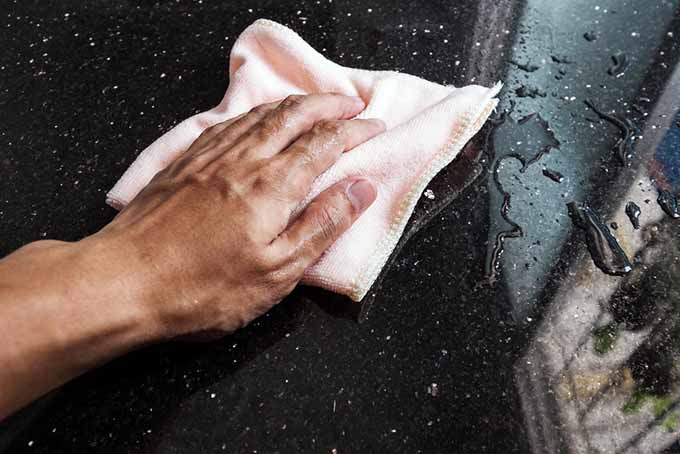
Plāksne arī saglabās ūdeni, un tas var izraisīt metāla detaļu rūsēšanu, nonākot saskarē ar virsmu. Daži tīrīšanas līdzekļi pēc nožūšanas atstāj lipīgas paliekas, kas piesaista gaisā esošos putekļus un faktiski palielina nodilumu, nevis to samazina.
Tas ir atkarīgs no plāksnes lietošanas un vides. Mēs iesakām jaunai plāksnei vai precīzai granīta piederumam veikt pilnīgu atkārtotu kalibrēšanu viena gada laikā pēc iegādes. Ja granīta virsmas plāksne tiks intensīvi lietota, ieteicams šo intervālu saīsināt līdz sešiem mēnešiem. Ikmēneša pārbaude, izmantojot elektronisko līmeņrādi vai līdzīgu ierīci, lai noteiktu atkārtotu mērījumu kļūdas, parādīs visus veidojošos nodiluma plankumus, un tā aizņem tikai dažas minūtes. Pēc pirmās atkārtotās kalibrēšanas rezultātu noteikšanas kalibrēšanas intervālu var pagarināt vai saīsināt, kā to atļauj vai pieprasa jūsu iekšējā kvalitātes sistēma.
Mēs varam piedāvāt pakalpojumus, kas palīdzēs jums pārbaudīt un kalibrēt jūsu granīta virsmas plāksni.

Kalibrēšanas atšķirībām ir vairāki iespējamie iemesli:
- Pirms kalibrēšanas virsma tika mazgāta ar karstu vai aukstu šķīdumu, un tai netika dots pietiekami daudz laika normalizēties.
- Plāksne nav pareizi atbalstīta
- Temperatūras izmaiņas
- Melnraksti
- Tieši saules stari vai cits starojošs siltums uz plāksnes virsmas. Pārliecinieties, ka virsmas nesilda apgaismojums.
- Vertikālā temperatūras gradienta svārstības starp ziemu un vasaru (ja iespējams, zināt vertikālā gradienta temperatūru kalibrēšanas laikā).
- Pēc piegādes plāksnei netika dots pietiekami daudz laika, lai tā normalizētos
- Nepareiza pārbaudes iekārtu lietošana vai nekalibrētu iekārtu lietošana
- Virsmas izmaiņas nodiluma rezultātā
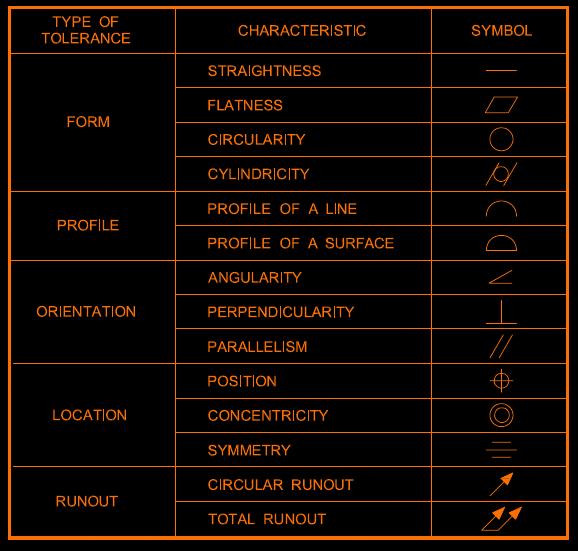
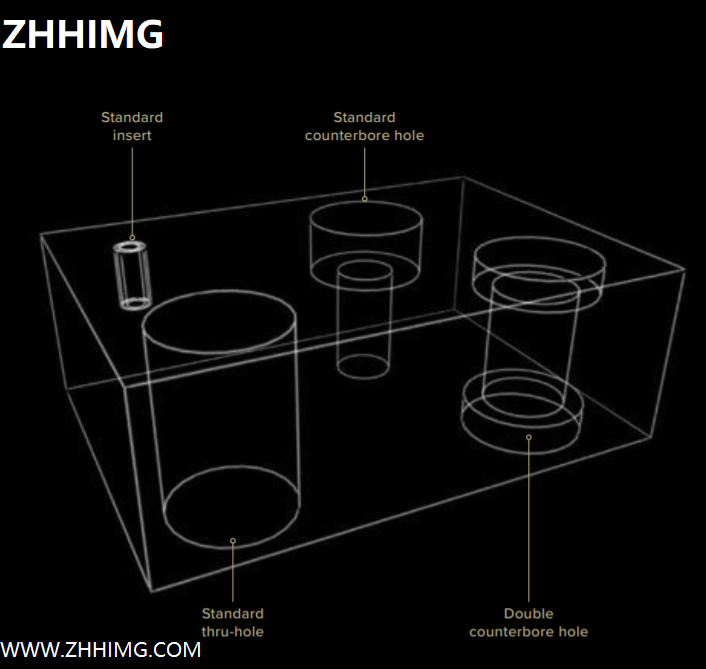
Cik daudz veidu caurumu ir precīzā granītā?
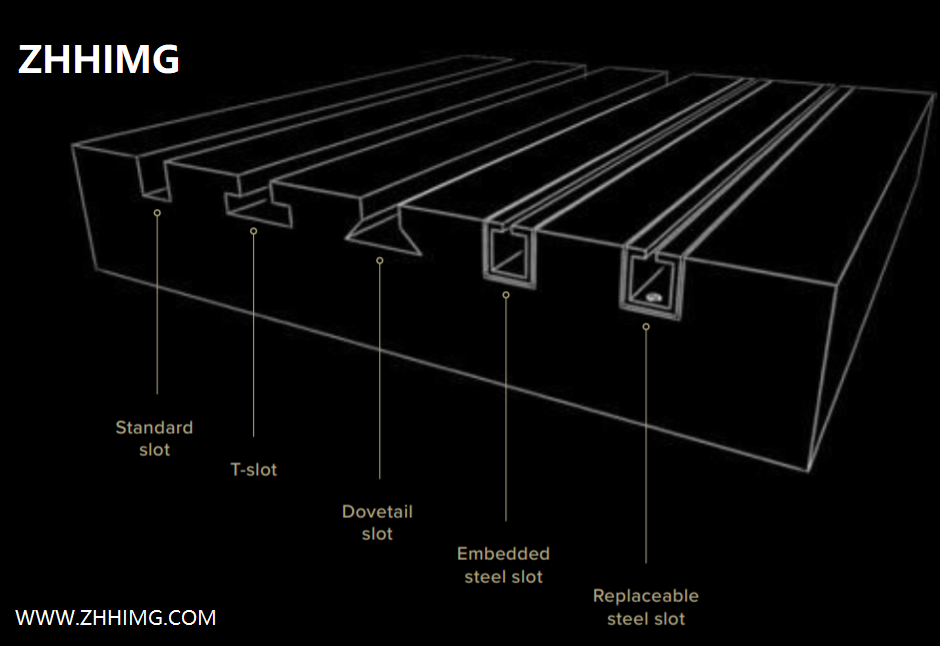
Spraugas uz precīzijas granīta komponentiem
Daudzās rūpnīcās, pārbaudes telpās un laboratorijās precīzas mērīšanas veikšanai tiek izmantotas precīzas granīta virsmas plāksnes. Tā kā katrs lineārais mērījums ir atkarīgs no precīzas atskaites virsmas, no kuras tiek ņemti galīgie izmēri, virsmas plāksnes nodrošina labāko atskaites plakni darba pārbaudei un izkārtojumam pirms apstrādes. Tās ir arī ideāli piemērotas augstuma mērījumu veikšanai un mērvirsmu mērīšanai. Turklāt augsta līdzenuma pakāpe, stabilitāte, kopējā kvalitāte un meistarība padara tās par labu izvēli sarežģītu mehānisku, elektronisku un optisku mērīšanas sistēmu uzstādīšanai. Jebkuram no šiem mērīšanas procesiem ir obligāti jākalibrē virsmas plāksnes.
Atkārtojiet mērījumus un līdzenumu
Gan līdzenums, gan atkārtoti mērījumi ir ļoti svarīgi, lai nodrošinātu precīzu virsmu. Līdzenumu var uzskatīt par visiem virsmas punktiem, kas atrodas divās paralēlās plaknēs — pamatplaknē un jumta plaknē. Attāluma starp plaknēm mērījums ir virsmas kopējais līdzenums. Šim līdzenuma mērījumam parasti ir pielaide un var būt ietverts pakāpes apzīmējums.
Trīs standarta klašu plakanuma pielaides ir definētas federālajā specifikācijā, izmantojot šādu formulu:
DIN standarts, GB standarts, ASME standarts, JJS standarts... dažādas valstis ar atšķirīgu statusu...
Sīkāka informācija par standartu.
Papildus līdzenumam ir jānodrošina atkārtojamība. Atkārtots mērījums ir lokālā līdzenuma laukumu mērījums. Tas ir mērījums, kas tiek veikts jebkurā vietā uz plāksnes virsmas un atkārtojas norādītās pielaides robežās. Lokālā laukuma līdzenuma kontrole ar stingrāku pielaidi nekā kopējā līdzenuma kontrole garantē pakāpeniskas virsmas līdzenuma profila izmaiņas, tādējādi samazinot lokālās kļūdas.
Lai nodrošinātu, ka virsmas plāksne atbilst gan līdzenuma, gan atkārtotu mērījumu specifikācijām, granīta virsmas plākšņu ražotājiem par pamatu to specifikācijām jāizmanto federālā specifikācija GGG-P-463c. Šis standarts attiecas uz atkārtotu mērījumu precizitāti, granīta virsmas plāksnes materiāla īpašībām, virsmas apdari, atbalsta punktu atrašanās vietu, stingrību, pieņemamām pārbaudes metodēm un vītņoto ieliktņu uzstādīšanu.
Plāksnes precizitātes pārbaude
Ievērojot dažas vienkāršas vadlīnijas, ieguldījums granīta virsmas plāksnē kalpos daudzus gadus. Atkarībā no plāksnes lietošanas veida, darbnīcas vides un nepieciešamās precizitātes, virsmas plāksnes precizitātes pārbaudes biežums atšķiras. Vispārējs noteikums ir tāds, ka jauna plāksne ir pilnībā jāpārkalibrē viena gada laikā pēc iegādes. Ja plāksne tiek izmantota bieži, ieteicams šo intervālu saīsināt līdz sešiem mēnešiem.
Pirms virsmas plāksne ir nodilusi virs kopējā līdzenuma specifikācijas, uz tās būs redzami nodiluši vai viļņaini stabiņi. Ikmēneša pārbaude, izmantojot atkārtotas nolasīšanas mērinstrumentu, lai noteiktu atkārtotu mērījumu kļūdas, ļaus noteikt nodiluma vietas. Atkārtotas nolasīšanas mērinstruments ir augstas precizitātes instruments, kas nosaka lokālas kļūdas un ko var attēlot uz liela palielinājuma elektroniska pastiprinātāja.
Efektīvai pārbaudes programmai jāietver regulāras pārbaudes ar autokolimatoru, nodrošinot faktisku kopējā līdzenuma kalibrēšanu, kas izsekojama atbilstoši Nacionālajam standartu un tehnoloģiju institūtam (NIST). Laiku pa laikam ir nepieciešama visaptveroša kalibrēšana, ko veic ražotājs vai neatkarīgs uzņēmums.
Kalibrēšanas variācijas
Dažos gadījumos virsmas plākšņu kalibrēšanas atšķiras. Dažreiz šīs atšķirības var izraisīt tādi faktori kā virsmas izmaiņas nodiluma rezultātā, nepareiza pārbaudes iekārtu lietošana vai nekalibrēta aprīkojuma lietošana. Tomēr divi visizplatītākie faktori ir temperatūra un atbalsts.
Viens no svarīgākajiem mainīgajiem lielumiem ir temperatūra. Piemēram, pirms kalibrēšanas virsma var būt mazgāta ar karstu vai aukstu šķīdumu un tai nav bijis pietiekami daudz laika, lai tā normalizētos. Citi temperatūras izmaiņu cēloņi ir auksta vai karsta gaisa caurvējš, tieši saules stari, griestu apgaismojums vai citi starojuma siltuma avoti uz plāksnes virsmas.
Var būt arī vertikālā temperatūras gradienta atšķirības starp ziemu un vasaru. Dažos gadījumos plāksnei pēc piegādes netiek dots pietiekami daudz laika, lai normalizētos. Kalibrēšanas laikā ir ieteicams reģistrēt vertikālā gradienta temperatūru.
Vēl viens bieži sastopams kalibrēšanas noviržu iemesls ir nepareizi atbalstīta plāksne. Virsmas plāksne jāatbalsta trīs punktos, ideālā gadījumā novietojot tos 20% attālumā no plāksnes garuma uz iekšu no garajām malām. Diviem balstiem jāatrodas 20% attālumā no platuma uz iekšu no garajām malām, bet atlikušajam balstam jābūt centrētam.
Tikai trīs punkti var stingri atbalstīties uz jebkā, izņemot precīzas virsmas. Mēģinājums atbalstīt plāksni vairāk nekā trīs punktos liks plāksnei saņemt atbalstu no dažādām trīs punktu kombinācijām, kas nebūs tie paši trīs punkti, uz kuriem tā tika atbalstīta ražošanas laikā. Tas radīs kļūdas, jo plāksne novirzīsies, lai pielāgotos jaunajam atbalsta izkārtojumam. Apsveriet iespēju izmantot tērauda statīvus ar atbalsta sijām, kas paredzētas, lai tās atbilstu pareizajiem atbalsta punktiem. Šim nolūkam paredzēti statīvi parasti ir pieejami no virsmas plākšņu ražotāja.
Ja plāksne ir pareizi atbalstīta, precīza izlīdzināšana ir nepieciešama tikai tad, ja to nosaka pielietojums. Līmeņošana nav nepieciešama, lai saglabātu pareizi atbalstītas plāksnes precizitāti.
Pagarināt plākšņu kalpošanas laiku
Ievērojot dažas vadlīnijas, tiks samazināts granīta virsmas plāksnes nodilums un galu galā pagarināts tās kalpošanas laiks.
Pirmkārt, ir svarīgi uzturēt plāksni tīru. Gaisā esošie abrazīvie putekļi parasti ir lielākais plāksnes nodiluma avots, jo tie mēdz iestrādāties sagatavēs un mērinstrumentu saskares virsmās.
Ir svarīgi arī pārklāt plāksnes, lai pasargātu tās no putekļiem un bojājumiem. Nodilumizturību var pagarināt, pārklājot plāksni, kad tā netiek lietota.
Periodiski pagrieziet plāksni, lai viena zona netiktu pārmērīgi noslogota. Tāpat ieteicams mērierīcēs tērauda kontakta paliktņus nomainīt pret karbīda paliktņiem.
Izvairieties likt ēdienu vai bezalkoholiskos dzērienus uz šķīvja. Daudzi bezalkoholiskie dzērieni satur vai nu ogļskābi, vai fosforskābi, kas var izšķīdināt mīkstākos minerālus un atstāt nelielus bedrītes virsmā.
Kur atgūties
Ja granīta virsmas plāksnei nepieciešama virsmas atjaunošana, apsveriet, vai šo pakalpojumu veikt uz vietas vai kalibrēšanas iekārtā. Vienmēr ir vēlams, lai plāksnes pārklāšana tiktu veikta rūpnīcā vai specializētā iekārtā. Tomēr, ja plāksne nav pārāk stipri nodilusi, parasti 0,001 collas robežās no nepieciešamās pielaides, to var atjaunot uz vietas. Ja plāksne ir nodilusi līdz vietai, kur tā pārsniedz pielaidi vairāk nekā 0,001 collu, vai ja tā ir stipri bedraina vai robaina, tad pirms pārklāšanas tā jānosūta uz rūpnīcu slīpēšanai.
Kalibrēšanas iekārtai ir aprīkojums un rūpnīcas iestatījumi, kas nodrošina optimālus apstākļus pareizai plākšņu kalibrēšanai un nepieciešamības gadījumā pārstrādei.
Izvēloties kalibrēšanas un virsmas atjaunošanas tehniķi uz vietas, jāievēro īpaša piesardzība. Pieprasiet akreditāciju un pārliecinieties, vai tehniķa izmantotajam aprīkojumam ir izsekojama kalibrēšana. Svarīgs faktors ir arī pieredze, jo precīzas granīta slīpēšanas apgūšana prasa daudzus gadus.
Kritiski mērījumi sākas ar precīzu granīta virsmas plāksni kā atskaites punktu. Nodrošinot uzticamu atskaites punktu, izmantojot pareizi kalibrētu virsmas plāksni, ražotāji iegūst vienu no svarīgākajiem instrumentiem uzticamu mērījumu un labākas kvalitātes detaļu iegūšanai.Q
Kalibrēšanas variāciju kontrolsaraksts
1. Pirms kalibrēšanas virsma tika mazgāta ar karstu vai aukstu šķīdumu, un tai netika dots pietiekami daudz laika normalizēties.
2. Plāksne nav pareizi atbalstīta.
3. Temperatūras maiņa.
4. Melnraksti.
5. Tieši saules stari vai cits starojošs siltums uz plāksnes virsmas. Pārliecinieties, ka apgaismojums nesilda virsmu.
6. Vertikālā temperatūras gradienta atšķirības starp ziemu un vasaru. Ja iespējams, zināt vertikālā gradienta temperatūru kalibrēšanas laikā.
7. Pēc piegādes plāksnei nav dots pietiekami daudz laika, lai normalizētos.
8. Nepareiza pārbaudes iekārtu lietošana vai nekalibrētu iekārtu lietošana.
9. Virsmas izmaiņas nodiluma rezultātā.
Tehnoloģiju padomi
- Tā kā katrs lineārais mērījums ir atkarīgs no precīzas atskaites virsmas, no kuras tiek ņemti galīgie izmēri, virsmas plāksnes nodrošina labāko atskaites plakni darba pārbaudei un izkārtojumam pirms apstrādes.
- Lokālā laukuma līdzenuma kontrole ar stingrāku pielaidi nekā kopējā līdzenuma kontrole garantē pakāpeniskas virsmas līdzenuma profila izmaiņas, tādējādi samazinot lokālās kļūdas.
- Efektīvai pārbaudes programmai jāietver regulāras pārbaudes ar autokolimatoru, nodrošinot faktisko kopējā līdzenuma kalibrēšanu, ko var izsekot līdz Valsts inspekcijas iestādei.
Starp minerālu daļiņām, kas veido granītu, vairāk nekā 90% ir laukšpats un kvarcs, no kuriem visvairāk ir laukšpata. Laukšpats bieži ir balts, pelēks un miesassarkans, bet kvarcs pārsvarā ir bezkrāsains vai pelēcīgi balts, kas veido granīta pamatkrāsu. Laukšpats un kvarcs ir cieti minerāli, un tos ir grūti pārvietot ar tērauda nazi. Runājot par tumšajiem plankumiem granītā, galvenokārt melno vizlu, ir arī citi minerāli. Lai gan biotīts ir relatīvi mīksts, tā spēja pretoties stresam nav vāja, un tajā pašā laikā granītā to ir neliels daudzums, bieži vien mazāk nekā 10%. Šis ir materiāla stāvoklis, kurā granīts ir īpaši izturīgs.
Vēl viens iemesls, kāpēc granīts ir izturīgs, ir tas, ka tā minerālu daļiņas ir cieši saistītas viena ar otru un ir iestrādātas viena otrā. Poras bieži vien veido mazāk nekā 1% no kopējā ieža tilpuma. Tas dod granītam spēju izturēt spēcīgu spiedienu un mitrums tajā viegli neiesūcas.
Granīta detaļas ir izgatavotas no akmens bez rūsas, skābju un sārmu izturības, ar labu nodilumizturību un ilgu kalpošanas laiku, bez īpašas apkopes. Granīta precīzijas detaļas galvenokārt tiek izmantotas mašīnbūves instrumentu ražošanā. Tāpēc tās sauc par granīta precīzijas detaļām vai granīta detaļām. Granīta precīzijas detaļu īpašības būtībā ir tādas pašas kā granīta platformām. Ievads granīta precīzijas detaļu instrumentēšanā un mērīšanā: Precīza apstrāde un mikroapstrādes tehnoloģija ir svarīgi mašīnbūves nozares attīstības virzieni, un tie ir kļuvuši par svarīgu rādītāju augstā tehnoloģiju līmeņa mērīšanai. Progresīvo tehnoloģiju un aizsardzības nozares attīstība ir neatdalāma no precīzās apstrādes un mikroapstrādes tehnoloģijas. Granīta detaļas mērījumos var slīdēt vienmērīgi, bez stagnācijas. Darba virsmas mērījumi, vispārīgas skrambas neietekmē mērījumu precizitāti. Granīta detaļas ir jāprojektē un jāražo atbilstoši pieprasījuma puses prasībām.
Pielietojuma joma:
Kā mēs visi zinām, arvien vairāk mašīnu un iekārtu izvēlas precīzus granīta komponentus.
Granīta komponentus izmanto dinamiskai kustībai, lineārajiem motoriem, CMM, CNC, lāzeriekārtām...
Laipni lūdzam sazināties ar mums, lai iegūtu vairāk informācijas.
Granīta mērierīces un granīta mehāniskās sastāvdaļas ir izgatavotas no augstas kvalitātes Jinan melnā granīta. Pateicoties to augstajai precizitātei, ilgam kalpošanas laikam, labai stabilitātei un izturībai pret koroziju, tās arvien vairāk tiek izmantotas mūsdienu rūpniecības produktu pārbaudē un tādās zinātnes jomās kā mehāniskā aerokosmosa un zinātniskie pētījumi.
Priekšrocības
----Divreiz cietāks par čugunu;
---- Minimālas izmēru izmaiņas rodas temperatūras izmaiņu dēļ;
----Brīva no izgriešanas, tāpēc darbs netiek pārtraukts;
---- Bez urbumiem vai izvirzījumiem smalkgraudainas struktūras un nenozīmīgas lipīguma dēļ, kas nodrošina augstu līdzenuma pakāpi ilgā kalpošanas laikā un nerada bojājumus citām detaļām vai instrumentiem;
---- Bezproblēmu darbība lietošanai ar magnētiskiem materiāliem;
---- Ilgs kalpošanas laiks un bez rūsas, kā rezultātā zemas uzturēšanas izmaksas.
Precīzās granīta virsmas plāksnes ir precīzi pārlapotas līdz augstam līdzenuma standartam, lai sasniegtu precizitāti, un tās tiek izmantotas kā pamats sarežģītu mehānisko, elektronisko un optisko mērīšanas sistēmu uzstādīšanai.
Dažas no granīta virsmas plāksnes unikālajām īpašībām:
Vienveidība cietībā;
Precīzs slodzes apstākļos;
Vibrāciju absorbējošs;
Viegli tīrāms;
Izturīgs pret aptinumu;
Zema porainība;
Neabrazīvs;
Nemagnētisks
Granīta virsmas plāksnes priekšrocības
Pirmkārt, klints pēc ilgstošas dabiskas novecošanās, vienmērīgas struktūras, minimālā koeficienta, iekšējā spriedze pilnībā izzūd, nav deformēta, tāpēc precizitāte ir augsta.
Otrkārt, nebūs skrāpējumu, nevis nemainīgas temperatūras apstākļos, istabas temperatūrā var saglabāt arī temperatūras mērījumu precizitāti.
Treškārt, nav magnetizācijas, mērījums var būt vienmērīga kustība, nav čīkstošas sajūtas, to neietekmē mitrums, plakne ir fiksēta.
Ceturtkārt, stingrība ir laba, cietība ir augsta, nodilumizturība ir spēcīga.
Pieci, nebaidās no skābju, sārmu šķidrumu erozijas, nerūsēs, nebūs jākrāso ar eļļu, nav viegli lipīgi mikroputekļi, apkope, viegli kopjama, ilgs kalpošanas laiks.
Kāpēc izvēlēties granīta pamatni čuguna mašīnas gultas vietā?
1. Granīta mašīnas pamatne var saglabāt augstāku precizitāti nekā čuguna mašīnas pamatne. Čuguna mašīnas pamatni viegli ietekmē temperatūra un mitrums, bet granīta mašīnas pamatni tas neietekmē.
2. Ar vienāda izmēra granīta mašīnas pamatni un čuguna pamatni granīta mašīnas pamatne ir rentablāka nekā čuguns;
3. Īpašu granīta mašīnas pamatni ir vieglāk apstrādāt nekā čuguna mašīnas pamatni.
Granīta virsmas plāksnes ir galvenie instrumenti pārbaudes laboratorijās visā valstī. Kalibrētā, ārkārtīgi plakanā virsmas plāksnes virsma ļauj inspektoriem tās izmantot kā atskaites punktu detaļu pārbaudēm un instrumentu kalibrēšanai. Bez virsmas plākšņu nodrošinātās stabilitātes daudzas no stingri pielaidētajām detaļām dažādās tehnoloģiju un medicīnas jomās būtu daudz grūtāk, ja ne neiespējami, pareizi izgatavot. Protams, lai izmantotu granīta virsmas bloku citu materiālu un instrumentu kalibrēšanai un pārbaudei, ir jānovērtē paša granīta precizitāte. Lietotāji var kalibrēt granīta virsmas plāksni, lai nodrošinātu tās precizitāti.
Pirms kalibrēšanas notīriet granīta virsmas plāksni. Uzlejiet nelielu daudzumu virsmas plāksnes tīrīšanas līdzekļa uz tīras, mīkstas drānas un noslaukiet granīta virsmu. Nekavējoties nosusiniet tīrīšanas līdzekli no virsmas plāksnes ar sausu drānu. Neļaujiet tīrīšanas šķidrumam nožūt gaisā.
Novietojiet atkārtotu mērinstrumentu granīta virsmas plāksnes centrā.
Nullējiet atkārtoto mērinstrumentu uz granīta plāksnes virsmas.
Lēnām pārvietojiet mērinstrumentu pāri granīta virsmai. Vērojiet mērinstrumenta indikatoru un, pārvietojot instrumentu pāri plāksnei, reģistrējiet jebkādas augstuma izmaiņas.
Salīdziniet plāksnes virsmas līdzenuma variāciju ar jūsu virsmas plāksnes pielaidēm, kas mainās atkarībā no plāksnes izmēra un granīta līdzenuma pakāpes. Lai noteiktu, vai jūsu plāksne atbilst tās izmēra un pakāpes līdzenuma prasībām, iepazīstieties ar federālo specifikāciju GGG-P-463c (skatiet resursus). Starpība starp plāksnes augstāko punktu un zemāko punktu ir tās līdzenuma mērījums.
Pārbaudiet, vai lielākās dziļuma svārstības uz plāksnes virsmas atbilst šāda izmēra un klases plāksnes atkārtojamības specifikācijām. Lai noteiktu, vai jūsu plāksne atbilst tās izmēra atkārtojamības prasībām, skatiet federālo specifikāciju GGG-P-463c (skatiet resursus). Noraidiet virsmas plāksni, ja pat viens punkts neatbilst atkārtojamības prasībām.
Pārtrauciet lietot granīta virsmas plāksni, kas neatbilst federālajām prasībām. Atgrieziet plāksni ražotājam vai granīta virsmu apstrādes uzņēmumam, lai bloks tiktu atkārtoti pulēts atbilstoši specifikācijām.
Padoms
Veiciet oficiālas kalibrēšanas vismaz reizi gadā, lai gan granīta virsmas plāksnes, kas tiek intensīvi izmantotas, jākalibrē biežāk.
Formālu, ierakstāmu kalibrēšanu ražošanas vai pārbaudes vidē bieži veic kvalitātes nodrošināšanas dienests vai ārējs kalibrēšanas pakalpojumu sniedzējs, lai gan ikviens var izmantot atkārtotu mērinstrumentu, lai neformāli pārbaudītu virsmas plāksni pirms lietošanas.
Granīta virsmas plākšņu agrīnā vēsture
Pirms Otrā pasaules kara ražotāji detaļu izmēru pārbaudei izmantoja tērauda virsmas plāksnes. Otrā pasaules kara laikā nepieciešamība pēc tērauda ievērojami palielinājās, un daudzas tērauda virsmas plāksnes tika izkausētas. Bija nepieciešama nomaiņa, un granīts kļuva par izvēlēto materiālu tā izcilo metroloģisko īpašību dēļ.
Kļuva acīmredzamas vairākas granīta priekšrocības salīdzinājumā ar tēraudu. Granīts ir cietāks, lai gan trauslāks un pakļauts šķembām. Granītu var apstrādāt ar slīpēšanas metodi, lai iegūtu daudz lielāku līdzenumu un ātrāk nekā tēraudu. Granītam ir arī vēlamā īpašība - zemāka termiskā izplešanās salīdzinājumā ar tēraudu. Turklāt, ja tērauda plāksnei bija nepieciešams remonts, tā bija jānokasa ar rokām, ko veica amatnieki, kuri savas prasmes pielietoja arī darbgaldu atjaunošanā.
Kā piezīme, dažas tērauda virsmas plāksnes joprojām tiek izmantotas mūsdienās.
Granīta plākšņu metroloģiskās īpašības
Granīts ir magmatisks iezis, kas veidojies vulkānu izvirdumu rezultātā. Salīdzinājumam, marmors ir metamorfēts kaļķakmens. Metroloģijas vajadzībām izvēlētajam granītam jāatbilst īpašām prasībām, kas izklāstītas Federālajā specifikācijā GGG-P-463c, turpmāk sauktas par Fed Specs, un jo īpaši 3.1. daļā 3.1. Starp Fed Specs granītam jābūt ar smalku vai vidēji graudainu tekstūru.
Granīts ir ciets materiāls, taču tā cietība mainās vairāku iemeslu dēļ. Pieredzējis granīta plākšņu tehniķis var novērtēt cietību pēc tā krāsas, kas norāda uz kvarca saturu. Granīta cietība ir īpašība, ko daļēji nosaka kvarca satura daudzums un vizlas trūkums. Sarkanie un rozā granīti parasti ir viscietākie, pelēkie ir vidēji cieti, bet melnie ir vismīkstākie.
Janga elastības modulis tiek izmantots, lai izteiktu akmens elastību vai cietības rādītāju. Rozā granīta vidējā vērtība skalā ir 3–5 punkti, pelēkā granīta vidējā vērtība ir 5–7 punkti, bet melnā granīta vidējā vērtība ir 7–10 punkti. Jo mazāks skaitlis, jo cietāks parasti ir granīts. Jo lielāks skaitlis, jo mīkstāks un elastīgāks ir granīts. Izvēloties granīta biezumu, kas nepieciešams pielaides pakāpēm, kā arī uz tā uzlikto detaļu un mērinstrumentu svaru, ir svarīgi zināt tā cietību.
Vecajos laikos, kad bija īsti mehāniķi, kurus pazina pēc trigonometrisko tabulu bukletiem kreklu kabatās, melnais granīts tika uzskatīts par "labāko". Labākais tika definēts kā veids, kas bija visizturīgākais pret nodilumu vai bija cietāks. Viens trūkums ir tas, ka cietāki granīti mēdz vieglāk šķemboties vai deformēties. Mehāniķi bija tik pārliecināti, ka melnais granīts ir vislabākais, ka daži rozā granīta ražotāji to nokrāsoja melnā krāsā.
Esmu personīgi redzējis plāksni, kas, pārvietojot to no noliktavas, tika nomesta no iekrāvēja. Plāksne atsitās pret grīdu un sadalījās uz pusēm, atklājot patieso rozā krāsu. Esiet uzmanīgi, plānojot melnā granīta iegādi no Ķīnas. Iesakām izšķērdēt savu naudu citā veidā. Granīta plāksnes cietība var atšķirties. Kvarca svītra var būt daudz cietāka nekā pārējā virsmas plāksnes daļa. Melna gabro slānis var padarīt virsmu daudz mīkstāku. Labi apmācīti, pieredzējuši virsmas plākšņu remonta tehniķi zina, kā rīkoties ar šīm mīkstajām vietām.
Virsmas plākšņu pakāpes
Ir četras virsmas plākšņu klases. Laboratorijas klase AA un A, telpu pārbaudes klase B un ceturtā ir darbnīcas klase. AA un A klases ir visplakanākās, un to plakanuma pielaides ir labākas par 0,00001 collu AA klases plāksnei. Darbnīcas klases ir vismazāk plakanas, un, kā norāda nosaukums, tās ir paredzētas izmantošanai instrumentu telpās. Savukārt AA, A un B klases ir paredzētas izmantošanai pārbaudes vai kvalitātes kontroles laboratorijā.
PRoper testēšana virsmas plākšņu kalibrēšanai
Es vienmēr saviem klientiem esmu teicis, ka varu izsaukt jebkuru 10 gadus vecu bērnu no savas baznīcas un dažu dienu laikā iemācīt viņam, kā pārbaudīt plāksni. Tas nav grūti. Lai ātri veiktu uzdevumu, ir nepieciešama zināma tehnika, ko apgūst laika gaitā un daudz atkārtojot. Man jūs jāinformē, un es to nevaru pietiekami uzsvērt, ka Fed Spec GGG-P-463c NAV kalibrēšanas procedūra! Vairāk par to vēlāk.
Saskaņā ar Federālajām specifikācijām ir obligāti jāveic kopējā līdzenuma (vidējās rūts) un atkārtojamības (lokalizētā nodiluma) pārbaužu kalibrēšana. Vienīgais izņēmums ir mazas plāksnes, kurām ir nepieciešama tikai atkārtojamība.
Tāpat, un tikpat svarīgi kā citi testi, ir termisko gradientu tests. (Skatīt Delta T zemāk.)
1. attēls
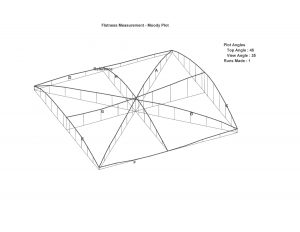
Plakanuma pārbaudei ir 4 apstiprinātas metodes. Elektroniskie līmeņrāži, autokolimācija, lāzers un ierīce, kas pazīstama kā plaknes lokators. Mēs izmantojam tikai elektroniskos līmeņrāžus, jo tie vairāku iemeslu dēļ ir visprecīzākā un ātrākā metode.
Lāzeri un autokolimatori kā atskaites punktu izmanto ļoti taisnu gaismas staru kūli. Granīta virsmas plāksnes taisnuma mērījumu veic, salīdzinot attāluma izmaiņas starp virsmas plāksni un gaismas staru kūli. Paņemot taisnu gaismas staru kūli, kas vērsts pret atstarotāja mērķi, vienlaikus pārvietojot atstarotāja mērķi pa virsmas plāksni, attālums starp izstaroto staru kūli un atstaroto staru kūli ir taisnuma mērījums.
Šīs metodes problēma ir šāda. Mērķi un avotu ietekmē vibrācija, apkārtējās vides temperatūra, nelīdzens vai saskrāpēts mērķis, gaisa piesārņojums un gaisa kustība (strāvas). Tas viss rada papildu kļūdas komponentus. Turklāt operatora kļūdas ietekme no pārbaudēm ar autokolimatoru ir lielāka.
Pieredzējis autokolimatora lietotājs var veikt ļoti precīzus mērījumus, taču joprojām saskaras ar problēmām ar rādījumu konsekvenci, īpaši lielākos attālumos, jo atstarojumi mēdz paplašināties vai kļūt nedaudz izplūduši. Turklāt nepilnīgi plakans mērķis un ilga diena, skatoties caur objektīvu, rada papildu kļūdas.
Plaknes lokatora ierīce ir vienkārši muļķīga. Šī ierīce kā atskaites punktu izmanto diezgan taisnu staru (salīdzinājumā ar ārkārtīgi taisnu kolimētu vai lāzera gaismas staru). Mehāniskā ierīce ne tikai izmanto indikatoru, kura izšķirtspēja parasti ir tikai 20 μinch, bet arī stieņa netaisnums un atšķirīgie materiāli ievērojami palielina mērījumu kļūdas. Mūsuprāt, lai gan metode ir pieņemama, neviena kompetenta laboratorija nekad neizmantotu plaknes lokatora ierīci kā galīgās pārbaudes instrumentu.
Elektroniskie līmeņrāži kā atskaites punktu izmanto gravitāciju. Diferenciālos elektroniskos līmeņrāžus vibrācija neietekmē. To izšķirtspēja ir tikai 0,1 loka sekunde, un mērījumi ir ātri, precīzi, un pieredzējuša operatora radītās kļūdas ir ļoti mazas. Ne plaknes lokatori, ne autokolimatori nenodrošina datora ģenerētus topogrāfiskos (1. attēls) vai izometriskus virsmas attēlus (2. attēls).
2. attēls
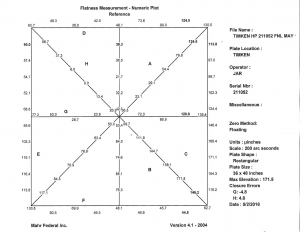
Virsmas pārbaudes pareizība
Pareiza virsmas līdzenuma pārbaude ir tik svarīga šī darba sastāvdaļa, ka man tā vajadzēja ievietot sākumā. Kā jau minēts iepriekš, Fed Spec. GGG-p-463c NAV kalibrēšanas metode. Tā kalpo kā vadlīnijas daudziem metroloģiskās kvalitātes granīta aspektiem, kura paredzētais pircējs ir jebkura federālā valdības aģentūra, un tas ietver testēšanas metodes un pielaides vai pakāpes. Ja darbuzņēmējs apgalvo, ka ir ievērojis Fed Specs, tad līdzenuma vērtība jānosaka, izmantojot Mūdija metodi.
Mūdijs bija cilvēks no tālā 50. gadsimta, kurš izstrādāja matemātisku metodi, lai noteiktu kopējo līdzenumu un ņemtu vērā testējamo līniju orientāciju, proti, vai tās atrodas pietiekami tuvu viena otrai vienā plaknē. Nekas nav mainījies. Allied Signal mēģināja uzlabot matemātisko metodi, taču secināja, ka atšķirības ir tik mazas, ka nav vērts pūļu.
Ja virsmas plākšņu meistars izmanto elektroniskos līmeņrāžus vai lāzeru, viņš aprēķinu veikšanai izmanto datoru. Bez datora palīdzības tehniķim, kas izmanto autokolimāciju, rādījumi jāaprēķina manuāli. Patiesībā viņi to nedara. Tas aizņem pārāk ilgu laiku un, atklāti sakot, var būt pārāk sarežģīti. Plakanuma pārbaudē, izmantojot Mūdija metodi, tehniķis pārbauda astoņu līniju taisnumu Union Jack konfigurācijā.
Moody metode
Mūdija metode ir matemātisks veids, kā noteikt, vai astoņas līnijas atrodas vienā plaknē. Pretējā gadījumā jums ir tikai 8 taisnas līnijas, kas var atrasties vai neatrasties vienā plaknē vai tās tuvumā. Turklāt darbuzņēmējs, kas apgalvo, ka ievēro Fed Spec, un izmanto autokolimāciju, viņš...obligātiģenerēt astoņas datu lappuses. Viena lappuse katrai pārbaudītajai rindai, lai pierādītu viņa veikto testēšanu, remontu vai abus. Pretējā gadījumā darbuzņēmējam nav ne jausmas, kāda ir patiesā līdzenuma vērtība.
Esmu pārliecināts, ka, ja esat viens no tiem, kas savas plāksnes kalibrē darbuzņēmējs, izmantojot autokolimāciju, jūs nekad neesat redzējis šīs lapas! 3. attēls ir paraugs.tikai viensastoņu lappušu skaits, kas nepieciešams, lai aprēķinātu kopējo līdzenumu. Viena no šīs nezināšanas un ļaunprātības pazīmēm ir, ja jūsu ziņojumā ir skaisti noapaļoti skaitļi. Piemēram, 200, 400, 650 utt. Pareizi aprēķināta vērtība ir reāls skaitlis. Piemēram, 325,4 u In. Ja darbuzņēmējs izmanto Mūdija aprēķinu metodi un tehniķis aprēķina vērtības manuāli, jums vajadzētu saņemt astoņas aprēķinu lappuses un izometrisku diagrammu. Izometriskajā diagrammā ir parādīti dažādie augstumi gar dažādām līnijām un attālums, kas atdala atlasītos krustošanās punktus.
3. attēls(Lai manuāli aprēķinātu līdzenumu, nepieciešamas astoņas šādas lappuses. Noteikti pajautājiet, kāpēc jūs to nesaņemat, ja jūsu darbuzņēmējs izmanto autokolimāciju!)
4. attēls
Dimensiju mērītāju tehniķi izmanto diferenciālos līmeņrāžus (4. attēls) kā vēlamās ierīces, lai mērītu nelielas leņķa izmaiņas no vienas mērīšanas stacijas uz otru. Līmeņrāžiem ir izšķirtspēja līdz 0,1 loka sekundei (5 μ collas, izmantojot 4 collu ragavas), tie ir ārkārtīgi stabili, tos neietekmē vibrācija, izmērītie attālumi, gaisa plūsmas, operatora nogurums, gaisa piesārņojums vai jebkuras citas problēmas, kas raksturīgas citām ierīcēm. Pievienojiet datora palīdzību, un uzdevums kļūst relatīvi ātrs, ģenerējot topogrāfiskus un izometriskus attēlus, kas pierāda verifikāciju un, pats galvenais, remontu.
Pareiza atkārtojamības pārbaude
Atkārtota nolasīšana jeb atkārtojamība ir vissvarīgākais tests. Iekārtas, ko izmantojam atkārtojamības testa veikšanai, ir atkārtotas nolasīšanas armatūra, LVDT un pastiprinātājs, kas nepieciešams augstas izšķirtspējas nolasījumiem. Mēs iestatām LVDT pastiprinātāja minimālo izšķirtspēju 10 u collas vai 5 u collas augstas precizitātes plāksnēm.
Mehāniska indikatora ar izšķirtspēju tikai 20 u collas izmantošana ir bezjēdzīga, ja mēģināt pārbaudīt atkārtojamības prasību 35 u collas. Indikatoru nenoteiktība ir 40 u collas! Atkārtotas nolasīšanas iestatījums atdarina augstuma mērītāja/detaļas konfigurāciju.
Atkārtojamība NAV tas pats, kas kopējais līdzenums (vidējā plakne). Man patīk domāt par atkārtojamību granītā kā par konsekventu rādiusa mērījumu.
5. attēls
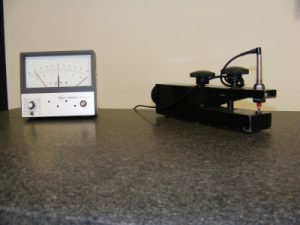
Ja pārbaudāt apaļas lodītes atkārtojamību, tad esat pierādījis, ka lodītes rādiuss nav mainījies. (Ideālam pareizi salabotas plāksnes profilam ir izliekta, vainagota forma.) Tomēr ir skaidrs, ka lodīte nav plakana. Nu, kaut kā tā. Ļoti īsā attālumā tā ir plakana. Tā kā lielākā daļa pārbaudes darbu ietver augstuma mērītāju ļoti tuvu detaļai, atkārtojamība kļūst par granīta plāksnes kritiskāko īpašību. Svarīgāka ir kopējā līdzenuma pakāpe, ja vien lietotājs nepārbauda garas detaļas taisnumu.
Pārliecinieties, ka jūsu darbuzņēmējs veic atkārtotu nolasīšanas pārbaudi. Plāksnei var būt atkārtots nolasījums, kas ievērojami pārsniedz pielaides robežas, taču tā joprojām iztur līdzenuma pārbaudi! Pārsteidzoši, ka laboratorija var iegūt akreditāciju testēšanā, kas neietver atkārtotu nolasīšanas pārbaudi. Laboratorija, kas nevar remontēt vai nav īpaši laba remontā, dod priekšroku veikt tikai līdzenuma pārbaudi. Līdzenums reti mainās, ja vien plāksne netiek pārvietota.
Atkārtotas nolasīšanas pārbaude ir visvieglāk pārbaudāmā, bet visgrūtāk sasniedzamā, veicot slīpēšanu. Pārliecinieties, ka jūsu darbuzņēmējs var atjaunot atkārtojamību, "neizliekot" virsmu vai neatstājot tajā viļņus.
Delta T tests
Šis tests ietver akmens FAKTISKĀS temperatūras mērīšanu tā augšējā un apakšējā virsmā un starpības, Delta T, aprēķināšanu sertifikāta ziņošanai.
Ir svarīgi zināt, ka granīta vidējais termiskās izplešanās koeficients ir 3,5 µin/colla/grāds. Apkārtējās vides temperatūras un mitruma ietekme uz granīta plāksni ir niecīga. Tomēr virsmas plāksne var pārsniegt pielaidi vai dažreiz uzlaboties pat tad, ja Delta T ir 0,3–0,5 grādu Fārenheita robežās. Ir jāzina, vai Delta T ir 0,12 grādu F robežās no pēdējās kalibrēšanas starpības.
Ir arī svarīgi zināt, ka plākšņu darba virsma migrē siltuma virzienā. Ja augšējā temperatūra ir siltāka nekā apakšējā, tad augšējā virsma paceļas. Ja apakšējā daļa ir siltāka, kas notiek reti, tad augšējā virsma iegrimst. Kvalitātes vadītājam vai tehniķim nepietiek ar to, ka viņš zina, ka plāksne ir plakana un atkārtojama kalibrēšanas vai remonta laikā, bet gan ar to, kāda bija tās Delta T galīgās kalibrēšanas testēšanas laikā. Kritiskās situācijās lietotājs, pats izmērot Delta T, var noteikt, vai plāksne ir izgājusi ārpus tolerances robežām tikai Delta T svārstību dēļ. Par laimi, granītam ir nepieciešamas daudzas stundas vai pat dienas, lai aklimatizētos vidē. Nelielas apkārtējās vides temperatūras svārstības dienas laikā to neietekmēs. Šo iemeslu dēļ mēs neziņojam par apkārtējās vides kalibrēšanas temperatūru vai mitrumu, jo to ietekme ir niecīga.
Granīta plākšņu nodilums
Lai gan granīts ir cietāks par tērauda plāksnēm, granītam uz virsmas joprojām veidojas zemi plankumi. Detaļu un mērinstrumentu atkārtota kustība uz virsmas plāksnes ir lielākais nodiluma avots, īpaši, ja viena un tā pati vieta tiek pastāvīgi izmantota. Netīrumi un slīpēšanas putekļi, kas paliek uz plāksnes virsmas, paātrina nodiluma procesu, nonākot starp detaļām vai mērinstrumentiem un granīta virsmu. Pārvietojot detaļas un mērinstrumentus pa tās virsmu, abrazīvie putekļi parasti ir papildu nodiluma cēlonis. Es ļoti iesaku regulāru tīrīšanu, lai samazinātu nodilumu. Esam novērojuši plākšņu nodilumu, ko izraisa ikdienas UPS paku piegādes, kas novietotas uz plāksnēm! Šīs lokalizētās nodiluma vietas ietekmē kalibrēšanas atkārtojamības testa rādījumus. Lai izvairītos no nodiluma, regulāri tīrot.
Granīta plākšņu tīrīšana
Lai uzturētu plāksni tīru, izmantojiet līmdrānu, lai noņemtu netīrumus. Vienkārši ļoti viegli piespiediet, lai neatstātu līmes atlikumus. Labi lietota līmdrāna lieliski savāc slīpēšanas putekļus starp tīrīšanas reizēm. Nestrādājiet vienā un tajā pašā vietā. Pārvietojiet aprīkojumu pa plāksni, vienmērīgi izlīdzinot nodilumu. Plāksnes tīrīšanai ir pareizi izmantot spirtu, taču ņemiet vērā, ka tas īslaicīgi atdzesēs virsmu. Ūdens ar nelielu daudzumu ziepju ir lieliski piemērots. Ir lieliski lietojami arī komerciāli pieejamie tīrīšanas līdzekļi, piemēram, Starrett tīrīšanas līdzeklis, taču pārliecinieties, ka no virsmas ir noņemti visi ziepju atlikumi.
Granīta plākšņu remonts
Tagad vajadzētu būt skaidrs, cik svarīgi ir pārliecināties, ka jūsu virsmas plākšņu darbuzņēmējs veic kompetentu kalibrēšanu. “Clearing House” tipa laboratorijās, kas piedāvā programmas “Dariet visu ar vienu zvanu”, reti ir tehniķis, kas var veikt remontu. Pat ja viņi piedāvā remontu, viņiem ne vienmēr ir tehniķis ar nepieciešamo pieredzi, ja virsmas plāksne ievērojami pārsniedz pielaidi.
Ja jums tiek teikts, ka plāksni nevar salabot ārkārtēja nodiluma dēļ, zvaniet mums. Visticamāk, mēs varam veikt remontu.
Mūsu tehniķi strādā viena līdz pusotra gada mācekļa praksē meistara virsmas plākšņu tehniķa vadībā. Mēs definējam meistaru virsmas plākšņu tehniķi kā personu, kas ir pabeigusi mācekļa praksi un kurai ir vairāk nekā desmit gadu papildu pieredze virsmas plākšņu kalibrēšanā un remontā. Uzņēmumā Dimensional Gauge strādā trīs meistari tehniķi ar kopējo pieredzi vairāk nekā 60 gadu. Viens no mūsu meistariem tehniķiem ir pieejams visu laiku, lai sniegtu atbalstu un norādījumus sarežģītās situācijās. Visiem mūsu tehniķiem ir pieredze visu izmēru virsmas plākšņu kalibrēšanā, sākot no maziem līdz ļoti lieliem, dažādos vides apstākļos, dažādās nozarēs un nopietnu nodiluma problēmu risināšanā.
Fed specifikācijām ir noteiktas īpašas apdares prasības no 16 līdz 64 vidējā aritmētiskā raupjuma (AA). Mēs dodam priekšroku apdarei 30–35 AA diapazonā. Raupjums ir tieši tik liels, lai nodrošinātu detaļu un mērierīču vienmērīgu kustību un nelipšanu vai savilkšanos pie virsmas plāksnes.
Veicot remontu, mēs pārbaudām plāksnes pareizu montāžu un līdzenumu. Mēs izmantojam sausās pārlapošanas metodi, bet ekstremāla nodiluma gadījumos, kad nepieciešama ievērojama granīta noņemšana, mēs veicam slapjo pārlapošanu. Mūsu tehniķi tīra aiz sevis, viņi ir rūpīgi, ātri un precīzi. Tas ir svarīgi, jo granīta plāksnes apkopes izmaksas ietver jūsu dīkstāves laiku un ražošanas zudumus. Kompetents remonts ir ārkārtīgi svarīgs, un jums nekad nevajadzētu izvēlēties darbuzņēmēju cenas vai ērtības dēļ. Dažiem kalibrēšanas darbiem ir nepieciešami augsti kvalificēti speciālisti. Mums tas ir.
Galīgie kalibrēšanas ziņojumi
Katram virsmas plāksnes remontam un kalibrēšanai mēs sniedzam detalizētus profesionālus ziņojumus. Mūsu ziņojumi satur ievērojamu daudzumu gan kritiskas, gan būtiskas informācijas. Fed Spec. pieprasa lielāko daļu mūsu sniegtās informācijas. Izņemot informāciju, kas ietverta citos kvalitātes standartos, piemēram, ISO/IEC-17025, minimālās Fed Spec. prasības ziņojumiem ir šādas:
- Izmērs pēdās (X' x X')
- Krāsa
- Stils (attiecas uz gadījumiem, kad nav skavu dzegu vai ir divas vai četras dzegas)
- Paredzamais elastības modulis
- Vidējā plaknes pielaide (noteikta pēc pakāpes/izmēra)
- Atkārtota nolasījuma pielaide (nosaka diagonāles garums collās)
- Vidējā plakne, kā atrasts
- Vidējā plakne pa kreisi
- Atkārtojiet lasīšanu, kā atrasts
- Atkārtojiet lasīšanu, kā norādīts kreisajā pusē
- Delta T (temperatūras starpība starp augšējo un apakšējo virsmu)
Ja tehniķim ir jāveic virsmas plāksnes pārlapošana vai remonts, kalibrēšanas sertifikātam pievieno topogrāfisku vai izometrisku diagrammu, lai pierādītu derīgu remontu.
Vārds par ISO/IEC-17025 akreditācijām un laboratorijām, kurām tās ir piešķirtas
Tas, ka laboratorijai ir akreditācija virsmas plākšņu kalibrēšanā, ne vienmēr nozīmē, ka tā zina, ko dara, un vēl jo mazāk, ka dara to pareizi! Tas arī ne vienmēr nozīmē, ka laboratorija var remontēt. Akreditācijas iestādes neizšķir verifikāciju no kalibrēšanas (remonta).Aun es zinu vienu, varbūt2akreditācijas iestādes, kasLkaklasaiteAlentīti ap manu suni, ja es viņiem samaksātu pietiekami daudz naudas! Tas ir skumjš fakts. Esmu redzējis laboratorijas, kas iegūst akreditāciju, veicot tikai vienu no trim nepieciešamajiem testiem. Turklāt esmu redzējis laboratorijas, kas iegūst akreditāciju ar nereālistisku nenoteiktību un tiek akreditētas bez jebkādiem pierādījumiem vai demonstrācijas, kā tās aprēķinājušas vērtības. Tas viss ir žēl.
Summēšana
Precīzu granīta plākšņu lomu nedrīkst novērtēt par zemu. Granīta plākšņu sniegtais plakanais atskaites punkts ir pamats, uz kura tiek veikti visi pārējie mērījumi.
Jūs varat izmantot vismodernākos, precīzākos un daudzpusīgākos mērinstrumentus. Tomēr precīzus mērījumus ir grūti noteikt, ja atskaites virsma nav līdzena. Reiz kāds potenciālais klients man teica: "Tas ir vienkārši akmens!" Mana atbilde bija: "Labi, jums taisnība, un jūs noteikti nevarat attaisnot ekspertu ierašanos jūsu virsmas plākšņu apkopšanai."
Cena nekad nav labs iemesls, lai izvēlētos virsmas plākšņu montētājus. Pircēji, grāmatveži un satraucošs skaits kvalitātes inženieru ne vienmēr saprot, ka granīta plākšņu atkārtota sertifikācija nav tāda pati kā mikrometra, suporta vai DMM atkārtota sertifikācija.
Dažiem instrumentiem ir nepieciešamas zināšanas, nevis zema cena. Tomēr mūsu cenas ir ļoti saprātīgas. Īpaši tāpēc, ka varam būt pārliecināti, ka darbu veicam pareizi. Mūsu sniegtā pievienotā vērtība krietni pārsniedz ISO-17025 un federālo specifikāciju prasības.
Virsmas plāksnes ir daudzu dimensiju mērījumu pamats, un, lai nodrošinātu mērījumu precizitāti, ir nepieciešams pareizi rūpēties par virsmas plāksni.
Granīts ir vispopulārākais materiāls, ko izmanto virsmas plāksnēm, pateicoties tā ideālajām fizikālajām īpašībām, piemēram, virsmas cietībai un zemajai jutībai pret temperatūras svārstībām. Tomēr, pastāvīgi lietojot, virsmas plāksnes nolietojas.
Gan līdzenums, gan atkārtojamība ir kritiski svarīgi aspekti, lai noteiktu, vai plāksne nodrošina precīzu virsmu precīzu mērījumu iegūšanai. Abu aspektu pielaides ir definētas federālajā specifikācijā GGG-P-463C, DIN, GB, JJS... Līdzenums ir attāluma mērījums starp plāksnes augstāko punktu (jumta plakni) un zemāko punktu (pamatplakni). Atkārtojamība nosaka, vai mērījumu, kas veikts no vienas zonas, var atkārtot visā plāksnē norādītās pielaides robežās. Tas nodrošina, ka plāksnē nav izciļņu vai ieleju. Ja rādījumi neatbilst noteiktajām vadlīnijām, var būt nepieciešama virsmas atjaunošana, lai mērījumi atkal atbilstu specifikācijai.
Regulāra virsmas plākšņu kalibrēšana ir nepieciešama, lai laika gaitā nodrošinātu līdzenumu un atkārtojamību. Cross precīzās mērīšanas grupa ir akreditēta saskaņā ar ISO 17025 virsmas plākšņu līdzenuma un atkārtojamības kalibrēšanai. Mēs izmantojam Mahr virsmas plākšņu sertifikācijas sistēmu, kas ietver:
- Noskaņojuma un profila analīze,
- Izometriski vai skaitliski grafiki,
- Vairāku palaišanas reižu vidējais rādītājs un
- Automātiska gradācija atbilstoši nozares standartiem.
Mahr datorizētais modelis nosaka jebkuru leņķisko vai lineāro novirzi no absolūtā līmeņa un ir ideāli piemērots ļoti precīzai virsmas plākšņu profilēšanai.
Intervāli starp kalibrēšanām atšķirsies atkarībā no lietošanas biežuma, vides apstākļiem, kuros atrodas plāksne, un jūsu uzņēmuma īpašajām kvalitātes prasībām. Pareiza virsmas plāksnes apkope var nodrošināt ilgākus intervālus starp katru kalibrēšanu, palīdz izvairīties no papildu izmaksām, kas saistītas ar atkārtotu pārklāšanu, un, pats galvenais, nodrošina, ka uz plāksnes iegūtie mērījumi ir pēc iespējas precīzāki. Lai gan virsmas plāksnes šķiet izturīgas, tās ir precīzi instrumenti, un pret tām attiecīgi arī jāizturas. Šeit ir dažas lietas, kas jāņem vērā attiecībā uz virsmas plākšņu kopšanu:
- Turiet šķīvi tīru un, ja iespējams, pārklājiet to, kad tas netiek lietots.
- Uz plāksnes nedrīkst novietot neko citu kā vien mērinstrumentus vai mērāmos gabalus.
- Neizmantojiet vienu un to pašu vietu uz šķīvja katru reizi.
- Ja iespējams, periodiski pagrieziet plāksni.
- Ievērojiet sava šķīvja slodzes ierobežojumu
Precīza granīta pamatne var uzlabot darbgaldu veiktspēju
Prasības mašīnbūvē kopumā un jo īpaši darbgaldu konstrukcijā pastāvīgi pieaug. Maksimālas precizitātes un veiktspējas vērtību sasniegšana, nepalielinot izmaksas, ir pastāvīgi izaicinājumi konkurētspējai. Darbgalda pamatne šeit ir izšķirošs faktors. Tāpēc arvien vairāk darbgaldu ražotāju paļaujas uz granītu. Pateicoties tā fizikālajiem parametriem, tas piedāvā nepārprotamas priekšrocības, ko nevar panākt ar tēraudu vai polimērbetonu.
Granīts ir tā sauktais vulkāniskais dziļais iezis, un tam ir ļoti blīva un homogēna struktūra ar ārkārtīgi zemu izplešanās koeficientu, zemu siltumvadītspēju un augstu vibrāciju slāpēšanu.
Zemāk jūs uzzināsiet, kāpēc vispārpieņemtais uzskats, ka granīts ir piemērots tikai kā mašīnu pamatne augstas klases koordinātu mērīšanas mašīnām, jau sen ir novecojis, un kāpēc šis dabīgais materiāls kā mašīnu pamatne ir ļoti izdevīga alternatīva tēraudam vai čugunam pat augstas precizitātes darbgaldiem.
Mēs varam ražot granīta komponentus dinamiskai kustībai, granīta komponentus lineārajiem motoriem, granīta komponentus NDT, granīta komponentus rentgenam, granīta komponentus CMM, granīta komponentus CNC, granīta precīzās apstrādes granītu lāzeriem, granīta komponentus kosmosam, granīta komponentus precīzijas darbagaldiem...
Augsta pievienotā vērtība bez papildu izmaksām
Granīta pieaugošā izmantošana mašīnbūvē nav tik daudz saistīta ar milzīgo tērauda cenas pieaugumu. Drīzāk tas ir tāpēc, ka ar granīta darbgaldu panāktā pievienotā vērtība darbgaldam ir iespējama ar ļoti nelielām vai bez papildu izmaksām. To pierāda pazīstamu darbgaldu ražotāju izmaksu salīdzinājumi Vācijā un Eiropā.
Granīta nodrošinātais ievērojamais termodinamiskās stabilitātes, vibrāciju slāpēšanas un ilgtermiņa precizitātes pieaugums nav sasniedzams ar čuguna vai tērauda gultni vai arī tas ir panākams tikai ar salīdzinoši augstām izmaksām. Piemēram, termiskās kļūdas var veidot līdz pat 75% no kopējās mašīnas kļūdas, ko bieži mēģina kompensēt ar programmatūras palīdzību – ar mēreniem panākumiem. Zemās siltumvadītspējas dēļ granīts ir labāks pamats ilgtermiņa precizitātei.
Ar 1 μm pielaidi granīts viegli atbilst DIN 876 līdzenuma prasībām attiecībā uz precizitātes pakāpi 00. Ar vērtību 6 cietības skalā no 1 līdz 10 tas ir ārkārtīgi ciets, un ar īpatnējo svaru 2,8 g/cm³ tas gandrīz sasniedz alumīnija vērtību. Tas rada arī papildu priekšrocības, piemēram, lielāku padeves ātrumu, lielāku ass paātrinājumu un instrumenta kalpošanas laika pagarināšanu griešanas darbgaldiem. Tādējādi pāreja no lietās virsmas uz granīta darbgalda virsmu paceļ attiecīgo darbgaldu augstākās klases precizitātes un veiktspējas ziņā – bez papildu izmaksām.
Granīta uzlabotā ekoloģiskā pēda
Atšķirībā no tādiem materiāliem kā tērauds vai čuguns, dabīgā akmens ražošanai nav nepieciešams daudz enerģijas un piedevu. Karjeru izstrādei un virsmas apstrādei ir nepieciešams tikai salīdzinoši neliels enerģijas daudzums. Tas rada izcilu ekoloģisko pēdu, kas pat mašīnas kalpošanas laika beigās pārspēj tērauda kā materiāla ietekmi. Granīta slānis var būt jaunas mašīnas pamats vai arī to var izmantot pilnīgi citiem mērķiem, piemēram, smalcināšanai ceļu būvniecībā.
Tāpat granīta resursu trūkuma nav. Tas ir dziļš iezis, kas veidojies no magmas Zemes garozā. Tas ir “nobriedis” miljoniem gadu un ir pieejams ļoti lielos daudzumos kā dabas resurss gandrīz visos kontinentos, tostarp visā Eiropā.
Secinājums: Granīta daudzās pierādāmās priekšrocības salīdzinājumā ar tēraudu vai čugunu attaisno mašīnbūves inženieru pieaugošo vēlmi izmantot šo dabisko materiālu kā pamatu augstas precizitātes, augstas veiktspējas darbgaldiem. Detalizētu informāciju par granīta īpašībām, kas ir izdevīgas darbgaldiem un mašīnbūvei, var atrast šajā turpmākajā rakstā.
Atkārtots mērījums ir lokālā līdzenuma laukumu mērījums. Atkārtota mērījuma specifikācija nosaka, ka mērījums, kas veikts jebkurā vietā uz plāksnes virsmas, atkārtosies norādītās pielaides robežās. Lokālā laukuma līdzenuma kontrole stingrāk nekā kopējā līdzenuma kontrole garantē pakāpeniskas virsmas līdzenuma profila izmaiņas, tādējādi samazinot lokālās kļūdas.
Lielākā daļa ražotāju, tostarp importētie zīmoli, ievēro federālās specifikācijas attiecībā uz kopējo līdzenuma pielaidēm, taču daudzi ignorē atkārtotus mērījumus. Daudzas no zemas vērtības vai budžeta plāksnēm, kas mūsdienās pieejamas tirgū, negarantē atkārtotus mērījumus. Ražotājs, kas negarantē atkārtotus mērījumus, NERažo plāksnes, kas atbilst ASME B89.3.7-2013 vai federālās specifikācijas GGG-P-463c vai DIN 876, GB, JJS... prasībām.
Abi ir kritiski svarīgi, lai nodrošinātu precīzu virsmu precīziem mērījumiem. Plakanuma specifikācija vien nav pietiekama, lai garantētu mērījumu precizitāti. Piemēram, 36 x 48 pārbaudes A pakāpes virsmas plāksne atbilst TIKAI plakanuma specifikācijai 0,000300". Ja pārbaudāmā detaļa šķērso vairākas virsotnes un izmantotais mērinstruments atrodas zemā vietā, mērījumu kļūda var būt pilna pielaide vienā zonā, 0,000300 collas! Patiesībā tā var būt daudz lielāka, ja mērinstruments atrodas uz slīpuma nogāzes.
Atkarībā no slīpuma pakāpes un izmantotā mērinstrumenta sviras garuma ir iespējamas kļūdas 0,000600"-0,000800". Ja šai plāksnei atkārtotu mērījumu specifikācija būtu 0,000050"FIR, tad mērījumu kļūda būtu mazāka par 0,000050" neatkarīgi no tā, kur mērījums tiek veikts uz plāksnes. Vēl viena problēma, kas parasti rodas, kad neapmācīts tehniķis mēģina atjaunot plāksnes virsmu uz vietas, ir atkārtotu mērījumu izmantošana tikai plāksnes sertificēšanai.
Instrumenti, ko izmanto atkārtojamības pārbaudei, NAV paredzēti vispārējai līdzenuma pārbaudei. Iestatot nulli uz perfekti izliektas virsmas, tie turpinās rādīt nulli neatkarīgi no tā, vai šī virsma ir pilnīgi līdzena, perfekti ieliekta vai izliekta 1/2 collas! Tie vienkārši pārbauda virsmas vienmērīgumu, nevis līdzenumu. Tikai plāksne, kas atbilst gan līdzenuma specifikācijai, GAN atkārtotu mērījumu specifikācijai, patiesi atbilst ASME B89.3.7-2013 vai federālās specifikācijas GGG-P-463c prasībām.
Ask us about or flatness specification and repeat measurement promise by calling +86 19969991659 or emailing INFO@ZHHIMG.COM
Jā, bet tos var garantēt tikai noteiktam vertikālajam temperatūras gradientam. Termiskās izplešanās ietekme uz plāksni var viegli izraisīt precizitātes izmaiņas, kas pārsniedz pielaidi, ja mainās gradients. Dažos gadījumos, ja pielaide ir pietiekami stingra, no griestu apgaismojuma absorbētais siltums var izraisīt pietiekami lielas gradienta izmaiņas vairāku stundu laikā.
Granīta termiskās izplešanās koeficients ir aptuveni 0,0000035 collas collā uz 1°F. Piemēram: 36 collu x 48 collu x 8 collu virsmas plāksnei ir precizitāte 0,000075 collas (1/2 no AA pakāpes) pie 0°F gradienta augšdaļas un apakšdaļas temperatūra ir vienāda. Ja plāksnes augšdaļa sasilst līdz vietai, kur tā ir par 1°F siltāka nekā apakšdaļa, precizitāte mainītos līdz 0,000275 collām izliekta! Tāpēc plāksnes pasūtīšana ar pielaidi, kas ir stingrāka par laboratorijas AA pakāpi, jāapsver tikai tad, ja ir atbilstoša klimata kontrole.
Virsmas plāksne jāatbalsta 3 punktos, ideālā gadījumā novietojot tos 20% attālumā no plāksnes garuma uz iekšu no garajām malām. Diviem balstiem jāatrodas 20% attālumā no platuma uz iekšu no garajām malām, un atlikušajam balstam jābūt centrētam. Tikai 3 punkti var stingri balstīties uz jebkā, izņemot precīzi veidotu virsmu.
Ražošanas laikā plāksne jāatbalsta šajos punktos, un lietošanas laikā tā jāatbalsta tikai šajos trijos punktos. Mēģinājums atbalstīt plāksni vairāk nekā trijos punktos liks plāksnei saņemt atbalstu no dažādām trīs punktu kombinācijām, kas nebūs tie paši trīs punkti, uz kuriem tā tika atbalstīta ražošanas laikā. Tas radīs kļūdas, jo plāksne novirzīsies, lai pielāgotos jaunajam atbalsta izvietojumam. Visiem zhhimg tērauda statīviem ir atbalsta sijas, kas konstruētas tā, lai tās atbilstu atbilstošajiem atbalsta punktiem.
Ja plāksne ir pareizi atbalstīta, precīza izlīdzināšana ir nepieciešama tikai tad, ja to prasa jūsu pielietojums. Līmeņošana nav nepieciešama, lai saglabātu pareizi atbalstītas plāksnes precizitāti.
Kāpēc izvēlēties granītuMašīnu bāzesunMetroloģijas komponenti?
Atbilde ir “jā” gandrīz katram pielietojumam. Granīta priekšrocības ietver: nerūsē vai nekorozē, gandrīz nedeformējas, neveidojas kompensējošs izciļņojums robu gadījumā, ilgāks nodilumizturība, vienmērīgāka darbība, lielāka precizitāte, praktiski nemagnētisks, zems termiskās izplešanās koeficients un zemas uzturēšanas izmaksas.
Granīts ir magmatiska ieža veids, ko iegūst tā ārkārtējās izturības, blīvuma, ilgmūžības un izturības pret koroziju dēļ. Taču granīts ir arī ļoti daudzpusīgs – tas nav paredzēts tikai kvadrātiem un taisnstūriem! Patiesībā Starrett Tru-Stone regulāri pārliecinoši strādā ar granīta komponentiem, kas tiek konstruēti visu veidu formās, leņķos un līknēs, sasniedzot izcilus rezultātus.
Pateicoties mūsu modernajai apstrādei, grieztās virsmas var būt ārkārtīgi līdzenas. Šīs īpašības padara granītu par ideālu materiālu, lai izgatavotu pielāgota izmēra un dizaina mašīnu pamatnes un metroloģijas komponentus. Granīts ir:
apstrādājams ar mašīnu
precīzi plakana pēc griešanas un pabeigšanas
izturīgs pret rūsu
izturīgs
ilgstoša
Granīta detaļas ir arī viegli tīrāmas. Veidojot individuālus dizainus, noteikti izvēlieties granītu tā izcilo priekšrocību dēļ.
STANDARTI/ AUGSTAS NODILUMA SLĀPES LIETOJUMI
ZhongHui standarta virsmas plākšņu izstrādājumiem izmantotajam granītam ir augsts kvarca saturs, kas nodrošina lielāku izturību pret nodilumu un bojājumiem. Mūsu augstākās kvalitātes melnajai un kristālrozā krāsai ir zema ūdens absorbcijas spēja, kas samazina precīzijas mērinstrumentu rūsēšanas iespējamību, tiem nostiprinoties uz plāksnēm. ZhongHui piedāvātās granīta krāsas rada mazāku atspīdumu, kas nozīmē mazāku acu nogurumu cilvēkiem, kuri lieto plāksnes. Mēs esam izvēlējušies granīta veidus, ņemot vērā termisko izplešanos, cenšoties šo aspektu saglabāt minimālu.
PIELĀGOTAS PIETEIKUMU IZSTRĀDĀŠANAS
Ja jūsu pielietojumam ir nepieciešama plāksne ar pielāgotām formām, vītņotiem ieliktņiem, rievām vai citiem apstrādes veidiem, jums jāizvēlas tāds materiāls kā melnais diabāze. Šis dabīgais materiāls piedāvā izcilu stingrību, lielisku vibrācijas slāpēšanu un uzlabotu apstrādājamību.
Jā, ja tās nav pārāk stipri nodilušas. Mūsu rūpnīcas iestatījumi un aprīkojums nodrošina optimālus apstākļus pareizai plākšņu kalibrēšanai un nepieciešamības gadījumā atkārtotai apstrādei. Parasti, ja plāksne ir 0,001 collas robežās no nepieciešamās pielaides, to var atjaunot uz vietas. Ja plāksne ir nodilusi līdz vietai, kur tā ir vairāk nekā 0,001 collas ārpus pielaides, vai ja tā ir stipri bedraina vai robaina, tad tā pirms atkārtotas pārklāšanas būs jānosūta uz rūpnīcu slīpēšanai.
Izvēloties kalibrēšanas un virsmas atjaunošanas tehniķi uz vietas, jāievēro īpaša piesardzība. Mēs aicinām jūs būt uzmanīgiem, izvēloties kalibrēšanas pakalpojumu. Pieprasiet akreditāciju un pārliecinieties, vai tehniķa izmantotajam aprīkojumam ir Nacionālās inspekcijas iestādes izsekojama kalibrēšana. Lai apgūtu pareizu granīta slīpēšanu, ir nepieciešami daudzi gadi.
ZhongHui nodrošina ātru kalibrēšanas izpildi mūsu rūpnīcā. Ja iespējams, nosūtiet savas plāksnes kalibrēšanai. Jūsu kvalitāte un reputācija ir atkarīga no jūsu mērinstrumentu, tostarp virsmas plākšņu, precizitātes!
Mūsu melnajām virsmas plāksnēm ir ievērojami lielāks blīvums un tās ir līdz pat trīs reizēm stingrākas. Tāpēc no melnās krāsas izgatavotai plāksnei nav jābūt tik biezai kā tāda paša izmēra granīta plāksnei, lai tai būtu tāda pati vai lielāka izturība pret deformāciju. Samazināts biezums nozīmē mazāku svaru un zemākas piegādes izmaksas.
Uzmanieties no citiem, kas izmanto zemākas kvalitātes melno granītu tādā pašā biezumā. Kā minēts iepriekš, granīta īpašības, tāpat kā koksnei vai metālam, atšķiras atkarībā no materiāla un krāsas, un tās nav precīzs stingrības, cietības vai nodilumizturības rādītājs. Patiesībā daudzi melnā granīta un diabāzes veidi ir ļoti mīksti un nav piemēroti virsmas plātņu pielietojumiem.
Nē. Lai veiktu šo priekšmetu pārstrādi, nepieciešamais specializētais aprīkojums un apmācība prasa, lai tie tiktu atgriezti rūpnīcā kalibrēšanai un pārstrādei.
Jā. Keramikai un granītam ir līdzīgas īpašības, un metodes, ko izmanto granīta kalibrēšanai un slīpēšanai, var izmantot arī keramikas izstrādājumiem. Keramiku ir grūtāk slīpēt nekā granītu, kā rezultātā izmaksas ir augstākas.
Jā, ar nosacījumu, ka ieliktņi ir padziļināti zem virsmas. Ja tērauda ieliktņi ir vienā līmenī ar virsmas plakni vai virs tās, pirms plāksnes pārlešanas tie ir jāapstrādā ar punktveida slīpējumu uz leju. Ja nepieciešams, mēs varam nodrošināt šo pakalpojumu.
Jā. Tērauda ieliktņus ar vēlamo vītni (angļu vai metrisko) var pielīmēt pie plāksnes vēlamajās vietās ar epoksīda līmi. ZhongHui izmanto CNC iekārtas, lai nodrošinātu visciešākās ieliktņu atrašanās vietas +/- 0,005” robežās. Mazāk kritiskiem ieliktņiem mūsu vītņoto ieliktņu atrašanās vietas pielaide ir ±0,060”. Citas iespējas ietver tērauda T veida stieņus un bezdelīgastes savienojuma rievas, kas tiek tieši iefrēzētas granītā.
Ieliktņi, kas ir pareizi salīmēti, izmantojot augstas stiprības epoksīdsveķus un ir labi apstrādāti, izturēs lielu vērpes un bīdes spēku. Nesenā testā, izmantojot 3/8"-16 vītņotus ieliktņus, neatkarīga testēšanas laboratorija izmērīja spēku, kas nepieciešams, lai no virsmas plāksnes izvilktu ar epoksīdsveķiem saistītu ieliktni. Tika pārbaudītas desmit plāksnes. No šiem desmit deviņos gadījumos pirmais saplīsa granīts. Vidējā slodze lūzuma vietā bija 10 020 mārciņas pelēkajam granītam un 12 310 mārciņas melnajam. Vienīgajā gadījumā, kad ieliktnis tika izvilkts no plāksnes, slodze lūzuma vietā bija 12 990 mārciņas! Ja sagatave veido tiltu pāri ieliktnim un tiek pielikts ārkārtējs griezes moments, ir iespējams radīt pietiekamu spēku, lai salauztu granītu. Daļēji šī iemesla dēļ ZhongHui sniedz vadlīnijas par maksimālo drošo griezes momentu, ko var pielietot ar epoksīdsveķiem saistītiem ieliktņiem: https://www.zhhimg.com/standard-thread-inserts-product/
Jā, bet tikai mūsu rūpnīcā. Mūsu rūpnīcā mēs varam atjaunot gandrīz jebkuru plāksni līdz "līdzīgai jaunai" stāvoklim, parasti par mazāk nekā pusi no tās nomaiņas izmaksām. Bojātas malas var kosmētiski salabot, dziļas rievas, robus un bedres var noslīpēt, un pievienotos balstus var nomainīt. Turklāt mēs varam modificēt jūsu plāksni, lai palielinātu tās daudzpusību, pievienojot cietus vai vītņotus tērauda ieliktņus un izgriežot spraugas vai skavas atbilstoši jūsu specifikācijām.
Kāpēc izvēlēties granītu?
Granīts ir magmatisku iežu veids, kas veidojies Zemē pirms miljoniem gadu. Magmatisko iežu sastāvā bija daudz minerālu, piemēram, kvarcs, kas ir ārkārtīgi ciets un nodilumizturīgs. Papildus cietībai un nodilumizturībai granītam ir aptuveni puse no čuguna izplešanās koeficienta. Tā kā tā tilpuma svars ir aptuveni viena trešdaļa no čuguna svara, granītu ir vieglāk manevrēt.
Mašīnu pamatnēm un metroloģijas komponentiem visbiežāk izmantotā krāsa ir melnais granīts. Melnajam granītam ir lielāks kvarca procentuālais daudzums nekā citām krāsām, tāpēc tas ir visizturīgākais.
Granīts ir izmaksu ziņā efektīvs, un grieztās virsmas var būt ārkārtīgi līdzenas. To var ne tikai slīpēt ar rokām, lai panāktu maksimālu precizitāti, bet arī atjaunotu apstrādi, nepārvietojot plāksni vai galdu ārpus objekta. Tā ir pilnībā manuāla slīpēšanas darbība, un parasti tā izmaksā daudz mazāk nekā čuguna alternatīvas atjaunošana.
Šīs īpašības padara granītu par ideālu materiālu, lai izveidotu pielāgota izmēra un dizaina mašīnu pamatnes un metroloģijas komponentus, piemēram,granīta virsmas plāksne.
ZhongHui ražo granīta izstrādājumus pēc pasūtījuma, kas ir radīti, lai atbilstu specifiskām izmēru prasībām. Šie pēc pasūtījuma izgatavotie izstrādājumi atšķiras notaisnas malas totrīs kvadrātiGranīta daudzpusīgās dabas dēļkomponentivar tikt izgatavoti jebkurā nepieciešamajā izmērā; tie ir izturīgi un ilgmūžīgi.
Granīta virsmas plākšņu priekšrocības
Mērījumu nozīmi uz līdzenas virsmas 19. gadsimtā noteica britu izgudrotājs Henrijs Modslijs. Kā darbgaldu novators viņš noteica, ka detaļu vienmērīgai ražošanai ir nepieciešama cieta virsma, lai nodrošinātu uzticamus mērījumus.
Rūpnieciskā revolūcija radīja pieprasījumu pēc mērīšanas virsmām, tāpēc inženierijas uzņēmums Crown Windley izstrādāja ražošanas standartus. Virsmas plākšņu standartus Crown pirmo reizi noteica 1904. gadā, izmantojot metālu. Pieaugot pieprasījumam pēc metāla un tā izmaksām, tika pētīti alternatīvi materiāli mērīšanas virsmām.
Amerikā pieminekļu veidotājs Voless Hermans noteica, ka melnais granīts ir lieliska virsmas plākšņu materiāla alternatīva metālam. Tā kā granīts nav magnētisks un nerūsē, tas drīz vien kļuva par iecienītāko mērīšanas virsmu.
Granīta virsmas plāksne ir būtisks ieguldījums laboratorijām un testēšanas iestādēm. Granīta virsmas plāksni ar izmēriem 600 x 600 mm var uzstādīt uz atbalsta statīva. Statīvi nodrošina 34 collu (0,86 m) darba augstumu ar pieciem regulējamiem punktiem izlīdzināšanai.
Lai iegūtu uzticamus un konsekventus mērījumu rezultātus, ļoti svarīga ir granīta virsmas plāksne. Tā kā virsma ir gluda un stabila, tā ļauj uzmanīgi manipulēt ar instrumentiem.
Granīta virsmas plātņu galvenās priekšrocības ir:
• Neatstarojošs
• Izturīgs pret ķīmiskām vielām un koroziju
• Zems izplešanās koeficients salīdzinājumā ar dzelzi, tāpēc mazāk ietekmē temperatūras izmaiņas
• Dabiski stingrs un nodilumizturīgs
• Virsmas plakne netiek ietekmēta, ja tā tiek saskrāpēta
• Nerūsēs
• Nemagnētisks
• Viegli tīrāms un kopjams
• Kalibrēšanu un virsmas atjaunošanu var veikt uz vietas
• Piemērots vītņotu atbalsta ieliktņu urbšanai
• Augsta vibrācijas slāpēšana
Daudzās darbnīcās, pārbaudes telpās un laboratorijās precīzas mērīšanas veikšanai tiek izmantotas precīzas granīta virsmas plāksnes. Tā kā katrs lineārais mērījums ir atkarīgs no precīzas atskaites virsmas, no kuras tiek ņemti galīgie izmēri, virsmas plāksnes nodrošina labāko atskaites plakni darba pārbaudei un izkārtojumam pirms apstrādes. Tās ir arī ideāli piemērotas augstuma mērījumu veikšanai un mērvirsmu mērīšanai. Turklāt augsta līdzenuma pakāpe, stabilitāte, kopējā kvalitāte un meistarība padara tās par labu izvēli sarežģītu mehānisku, elektronisku un optisku mērīšanas sistēmu uzstādīšanai. Jebkuram no šiem mērīšanas procesiem ir obligāti jākalibrē virsmas plāksnes.
Atkārtojiet mērījumus un līdzenumu
Gan līdzenums, gan atkārtoti mērījumi ir ļoti svarīgi, lai nodrošinātu precīzu virsmu. Līdzenumu var uzskatīt par visiem virsmas punktiem, kas atrodas divās paralēlās plaknēs — pamatplaknē un jumta plaknē. Attāluma starp plaknēm mērījums ir virsmas kopējais līdzenums. Šim līdzenuma mērījumam parasti ir pielaide un var būt ietverts pakāpes apzīmējums.
Trīs standarta klašu plakanuma pielaides ir definētas federālajā specifikācijā, izmantojot šādu formulu:
Laboratorijas pakāpes AA = (40 + diagonāle² / 25) x 0,000001 colla (vienpusēji)
Pārbaudes pakāpe A = laboratorijas pakāpe AA x 2
Instrumentu telpas B klase = laboratorijas klase AA x 4
Papildus līdzenumam ir jānodrošina atkārtojamība. Atkārtots mērījums ir lokālā līdzenuma laukumu mērījums. Tas ir mērījums, kas tiek veikts jebkurā vietā uz plāksnes virsmas un atkārtojas norādītās pielaides robežās. Lokālā laukuma līdzenuma kontrole ar stingrāku pielaidi nekā kopējā līdzenuma kontrole garantē pakāpeniskas virsmas līdzenuma profila izmaiņas, tādējādi samazinot lokālās kļūdas.
Lai nodrošinātu, ka virsmas plāksne atbilst gan līdzenuma, gan atkārtotu mērījumu specifikācijām, granīta virsmas plākšņu ražotājiem par pamatu to specifikācijām jāizmanto federālā specifikācija GGG-P-463c. Šis standarts attiecas uz atkārtotu mērījumu precizitāti, granītu virsmas plākšņu materiālu īpašībām, virsmas apdari, atbalsta punktu atrašanās vietu, stingrību, pieņemamām pārbaudes metodēm un vītņoto ieliktņu uzstādīšanu.
Pirms virsmas plāksne ir nodilusi virs kopējā līdzenuma specifikācijas, uz tās būs redzami nodiluši vai viļņaini stabiņi. Ikmēneša pārbaude, izmantojot atkārtotas nolasīšanas mērinstrumentu, lai noteiktu atkārtotu mērījumu kļūdas, ļaus noteikt nodiluma vietas. Atkārtotas nolasīšanas mērinstruments ir augstas precizitātes instruments, kas nosaka lokālas kļūdas un ko var attēlot uz liela palielinājuma elektroniska pastiprinātāja.
Plāksnes precizitātes pārbaude
Ievērojot dažas vienkāršas vadlīnijas, ieguldījums granīta virsmas plāksnē kalpos daudzus gadus. Atkarībā no plāksnes lietošanas veida, darbnīcas vides un nepieciešamās precizitātes, virsmas plāksnes precizitātes pārbaudes biežums atšķiras. Vispārējs noteikums ir tāds, ka jauna plāksne ir pilnībā jāpārkalibrē viena gada laikā pēc iegādes. Ja plāksne tiek izmantota bieži, ieteicams šo intervālu saīsināt līdz sešiem mēnešiem.
Pirms virsmas plāksne ir nodilusi virs kopējā līdzenuma specifikācijas, uz tās būs redzami nodiluši vai viļņaini stabiņi. Ikmēneša pārbaude, izmantojot atkārtotas nolasīšanas mērinstrumentu, lai noteiktu atkārtotu mērījumu kļūdas, ļaus noteikt nodiluma vietas. Atkārtotas nolasīšanas mērinstruments ir augstas precizitātes instruments, kas nosaka lokālas kļūdas un ko var attēlot uz liela palielinājuma elektroniska pastiprinātāja.
Efektīvai pārbaudes programmai jāietver regulāras pārbaudes ar autokolimatoru, nodrošinot faktisku kopējā līdzenuma kalibrēšanu, kas izsekojama atbilstoši Nacionālajam standartu un tehnoloģiju institūtam (NIST). Laiku pa laikam ir nepieciešama visaptveroša kalibrēšana, ko veic ražotājs vai neatkarīgs uzņēmums.
Kalibrēšanas variācijas
Dažos gadījumos virsmas plākšņu kalibrēšanas atšķiras. Dažreiz šīs atšķirības var izraisīt tādi faktori kā virsmas izmaiņas nodiluma rezultātā, nepareiza pārbaudes iekārtu lietošana vai nekalibrēta aprīkojuma lietošana. Tomēr divi visizplatītākie faktori ir temperatūra un atbalsts.
Viens no svarīgākajiem mainīgajiem lielumiem ir temperatūra. Piemēram, pirms kalibrēšanas virsma var būt mazgāta ar karstu vai aukstu šķīdumu un tai nav bijis pietiekami daudz laika, lai tā normalizētos. Citi temperatūras izmaiņu cēloņi ir auksta vai karsta gaisa caurvējš, tieši saules stari, griestu apgaismojums vai citi starojuma siltuma avoti uz plāksnes virsmas.
Var būt arī vertikālā temperatūras gradienta atšķirības starp ziemu un vasaru. Dažos gadījumos plāksnei pēc piegādes netiek dots pietiekami daudz laika, lai normalizētos. Kalibrēšanas laikā ir ieteicams reģistrēt vertikālā gradienta temperatūru.
Vēl viens bieži sastopams kalibrēšanas noviržu iemesls ir nepareizi atbalstīta plāksne. Virsmas plāksne jāatbalsta trīs punktos, ideālā gadījumā novietojot tos 20% attālumā no plāksnes garuma uz iekšu no garajām malām. Diviem balstiem jāatrodas 20% attālumā no platuma uz iekšu no garajām malām, bet atlikušajam balstam jābūt centrētam.
Tikai trīs punkti var stingri atbalstīties uz jebkā, izņemot precīzas virsmas. Mēģinājums atbalstīt plāksni vairāk nekā trīs punktos liks plāksnei saņemt atbalstu no dažādām trīs punktu kombinācijām, kas nebūs tie paši trīs punkti, uz kuriem tā tika atbalstīta ražošanas laikā. Tas radīs kļūdas, jo plāksne novirzīsies, lai pielāgotos jaunajam atbalsta izkārtojumam. Apsveriet iespēju izmantot tērauda statīvus ar atbalsta sijām, kas paredzētas, lai tās atbilstu pareizajiem atbalsta punktiem. Šim nolūkam paredzēti statīvi parasti ir pieejami no virsmas plākšņu ražotāja.
Ja plāksne ir pareizi atbalstīta, precīza izlīdzināšana ir nepieciešama tikai tad, ja to nosaka pielietojums. Līmeņošana nav nepieciešama, lai saglabātu pareizi atbalstītas plāksnes precizitāti.
Ir svarīgi uzturēt plāksni tīru. Gaisā esošie abrazīvie putekļi parasti ir lielākais plāksnes nodiluma avots, jo tie mēdz iestrādāties sagatavēs un mērinstrumentu saskares virsmās. Nosedziet plāksnes, lai pasargātu tās no putekļiem un bojājumiem. Nodiluma laiku var pagarināt, pārklājot plāksni, kad tā netiek lietota.
Pagarināt plākšņu kalpošanas laiku
Ievērojot dažas vadlīnijas, tiks samazināts granīta virsmas plāksnes nodilums un galu galā pagarināts tās kalpošanas laiks.
Pirmkārt, ir svarīgi uzturēt plāksni tīru. Gaisā esošie abrazīvie putekļi parasti ir lielākais plāksnes nodiluma avots, jo tie mēdz iestrādāties sagatavēs un mērinstrumentu saskares virsmās.
Ir svarīgi arī pārklāt plāksnes, lai pasargātu tās no putekļiem un bojājumiem. Nodilumizturību var pagarināt, pārklājot plāksni, kad tā netiek lietota.
Periodiski pagrieziet plāksni, lai viena zona netiktu pārmērīgi noslogota. Tāpat ieteicams mērinstrumentu tērauda kontakta paliktņus nomainīt pret karbīda paliktņiem.
Izvairieties likt ēdienu vai bezalkoholiskos dzērienus uz šķīvja. Daudzi bezalkoholiskie dzērieni satur vai nu ogļskābi, vai fosforskābi, kas var izšķīdināt mīkstākos minerālus un atstāt nelielus bedrītes virsmā.
Kur atgūties
Ja granīta virsmas plāksnei nepieciešama virsmas atjaunošana, apsveriet, vai šo pakalpojumu veikt uz vietas vai kalibrēšanas iekārtā. Vienmēr ir vēlams, lai plāksnes pārklāšana tiktu veikta rūpnīcā vai specializētā iekārtā. Tomēr, ja plāksne nav pārāk stipri nodilusi, parasti 0,001 collas robežās no nepieciešamās pielaides, to var atjaunot uz vietas. Ja plāksne ir nodilusi līdz vietai, kur tā pārsniedz pielaidi vairāk nekā 0,001 collu, vai ja tā ir stipri bedraina vai robaina, tad pirms pārklāšanas tā jānosūta uz rūpnīcu slīpēšanai.
Kalibrēšanas iekārtai ir aprīkojums un rūpnīcas iestatījumi, kas nodrošina optimālus apstākļus pareizai plākšņu kalibrēšanai un nepieciešamības gadījumā pārstrādei.
Izvēloties kalibrēšanas un virsmas atjaunošanas tehniķi uz vietas, jāievēro īpaša piesardzība. Pieprasiet akreditāciju un pārliecinieties, vai tehniķa izmantotajam aprīkojumam ir NIST izsekojama kalibrēšana. Svarīgs faktors ir arī pieredze, jo, lai pareizi apgūtu granīta precīzu slīpēšanu, ir nepieciešami daudzi gadi.
Kritiski mērījumi sākas ar precīzu granīta virsmas plāksni kā atskaites punktu. Nodrošinot uzticamu atskaites punktu, izmantojot pareizi kalibrētu virsmas plāksni, ražotāji iegūst vienu no svarīgākajiem instrumentiem uzticamu mērījumu un labākas kvalitātes detaļu iegūšanai.
Kalibrēšanas variāciju kontrolsaraksts
- Pirms kalibrēšanas virsma tika mazgāta ar karstu vai aukstu šķīdumu, un tai netika dots pietiekami daudz laika normalizēties.
- Plāksne nav pareizi atbalstīta.
- Temperatūras maiņa.
- Melnraksti.
- Tieši saules stari vai cits starojošs siltums uz plāksnes virsmas. Pārliecinieties, ka apgaismojums no augšas nesilda virsmu.
- Vertikālā temperatūras gradienta svārstības starp ziemu un vasaru. Ja iespējams, zināt vertikālā gradienta temperatūru kalibrēšanas laikā.
- Pēc piegādes plāksnei netika dots pietiekami daudz laika, lai normalizētos.
- Nepareiza pārbaudes iekārtu lietošana vai nekalibrētu iekārtu lietošana.
- Virsmas izmaiņas nodiluma rezultātā.
Tehnoloģiju padomi
Tā kā katrs lineārais mērījums ir atkarīgs no precīzas atskaites virsmas, no kuras tiek ņemti galīgie izmēri, virsmas plāksnes nodrošina labāko atskaites plakni darba pārbaudei un izkārtojumam pirms apstrādes.
Lokālā laukuma līdzenuma kontrole ar stingrāku pielaidi nekā kopējā līdzenuma kontrole garantē pakāpeniskas virsmas līdzenuma profila izmaiņas, tādējādi samazinot lokālās kļūdas.